
Restake Finance Explained: New Level on Top of Restaking
What the Restake Finance LRT Protocol is and How it Works on Top of EigenLayer.

Disclaimer: The content presented in this article, along with others, is based on opinions developed by the analysts at Dewhales and does not constitute sponsored content. At Dewhales, we firmly adhere to a transparency-first philosophy, making our wallets openly available to the public through our website or DeBank, and our articles serve as vehicles for self-expression, education, and contribution to the ecosystem.
Dewhales Capital does not provide investment advisory services to the public. Any information should not be taken as investment, accounting, tax or legal advice or as a recommendation to purchase, sell or hold or to pursue any investment style or strategy. The accuracy and appropriateness of the information is not guaranteed by Dewhales Capital.
Introduction
1. What is EigenLayer
2. Why is Restake Finance needed?
3. rsETH
4. Restaking Finance token: RSTK
Conclusion
Introduction
In 2023, alongside the active development of LSDFi with the introduction of new primitives and protocols (as detailed in a separate article), a new direction emerged for working with Liquid Staking Tokens (Derivatives) - restaking. This concept was introduced thanks to the EigenLayer protocol, and this direction is evolving at a rapid pace, with new projects actively emerging on top of it. Restake Finance is a representative of the ecosystem growing around EigenLayer and LRT.
Before delving into Restake Finance and understanding how it operates, let's first grasp the basics of what EigenLayer represents and how restaking, which stimulated the emergence of Restake Finance, works.
1. What is EigenLayer
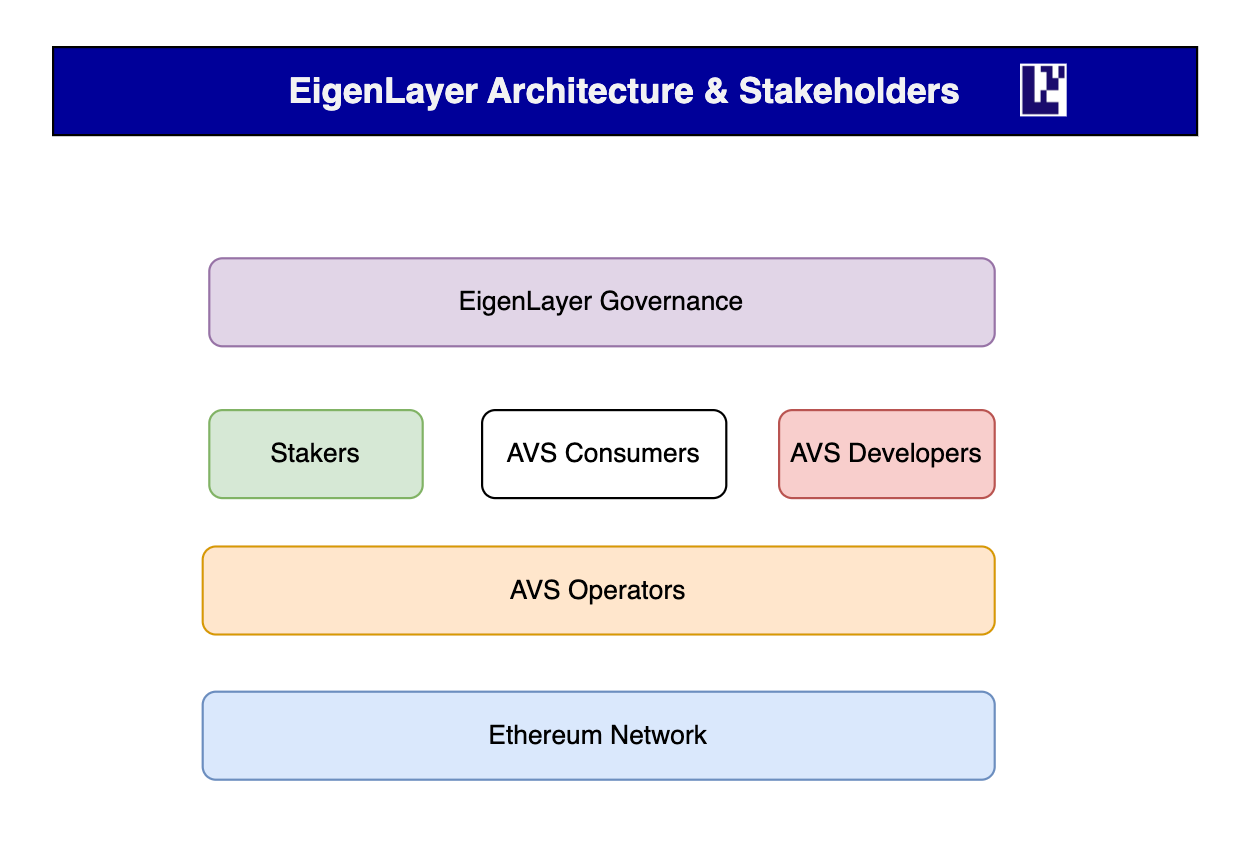
At a surface level, the idea of EigenLayer (EL) is quite straightforward: a user stakes their ETH to secure the network in a hypothetical Lido/Rocket Pool or another LSD protocol, receiving LST in return. Subsequently, they can deposit this LST into EigenLayer to yield additional returns. But where does this yield come from?
The key is that EL is not merely a financial protocol issuing derivatives; it is an applied protocol essentially creating a new layer of validators on top of Ethereum. It enables the utilization of LST similarly to how ETH is used on nodes for staking and network security. On the other hand, for validators (node operators) and clients (other projects), EigenLayer offers what is referred to as Actively Validated Services (AVS). Projects, which may include sidechains, applications, Data Availability, bridges, oracles, etc., don't need to develop their own solutions for validators with staking; they can utilize node operators from EL as validators for their solutions. In this scenario, security is ensured by the Ethereum chain with legitimate LST. Furthermore, funds in restaking are not susceptible to slashing risks, unlike LST.
All AVS (or modules, applications) pay a commission to the EL in their tokens, which is then distributed among the restakers of specific modules.
Since its launch in April 2023, EigenLayer has carved out a significant niche within LSDFi, capturing a substantial volume of LST ($726 million as of January 11, 2023), despite the current storage capacity of EL being rigidly limited:
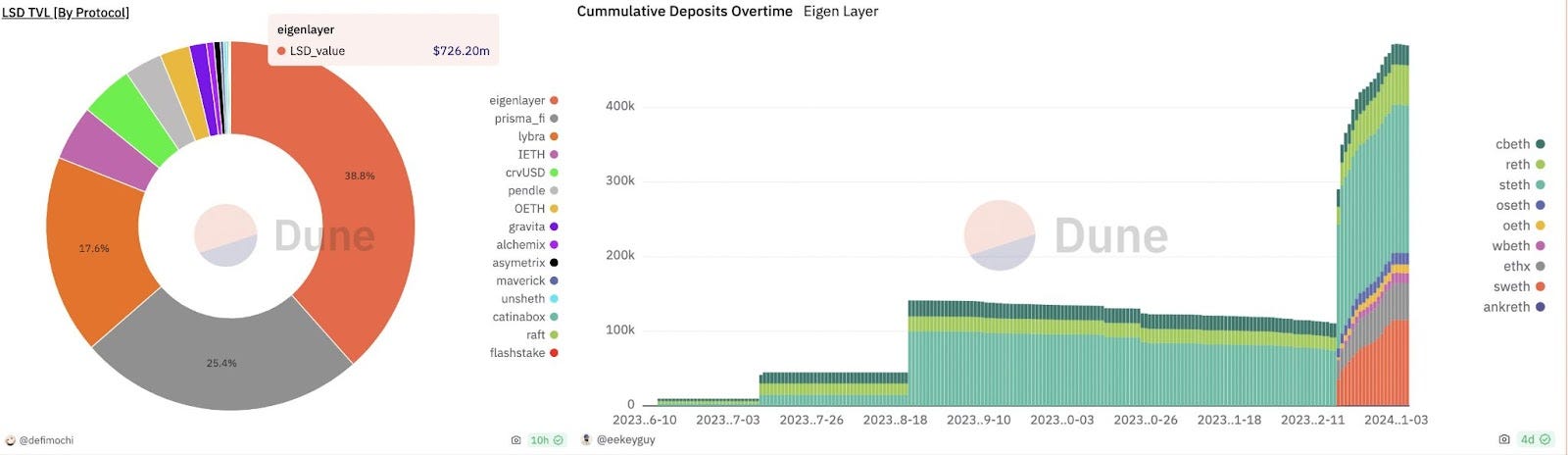
As of now, EL supports the following LST: stETH, rETH, cbETH, wBETH, osETH, swETH, AnkrETH, EthX, OETH
2. Why is Restake Finance needed?
In broad terms, RestakeFi enables users to engage in restaking within EigenLayer through its DApp. Similar to how LSD protocols once provided a liquid wrapper for staked ETH, RestakeFi offers users a liquid primitive for restaked funds - rsETH. With rsETH, users maintain liquidity and can earn rewards from EL. Overall, the concept of RestakeFi is quite straightforward:
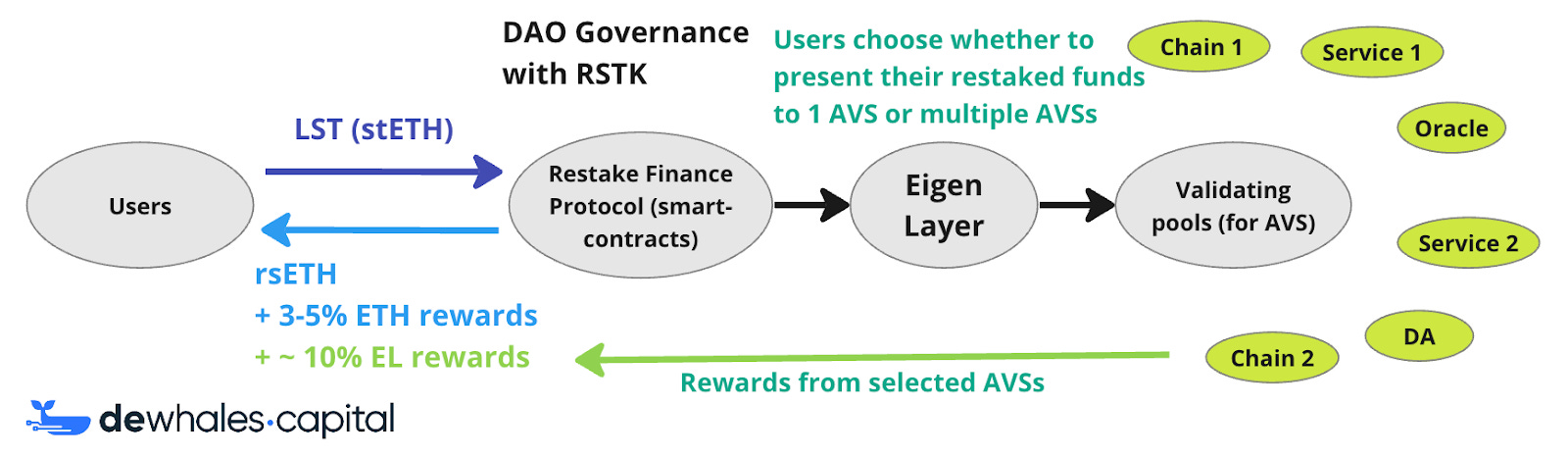
Currently, Restake Finance is launched on the testnet and supports only stETH from Lido, which holds a leading position in the LST market (71.2% considering wstETH). However, there are plans to add support for other LST in the future. This is a logical decision as stETH represents more than half of Eigen's total value locked (TVL) ($479 million out of $726 million).
Restake Finance will operate based on the Restake Finance DAO, ensuring the project's commitment to the decentralized nature and aligning further development with the interests of stakeholders in the protocol. The DAO will be governed using our utility and governance token — RSTK. Another interesting aspect is that users restaking funds through RestakeFi can choose one or several modules (AVS) to receive desired returns in specific tokens.
3. rsETH
As mentioned earlier, rsETH is a liquid token, LRT, that users receive from RestakeFi in exchange for their LST. Initially, rsETH is presented on the Ethereum network, but the team plans to make it an omnichain token to enhance its usability and applicability across a greater number of protocols and strategies.
Unlike most LSTs, rewards accumulation in rsETH will not be based on the appreciation of value as a reward-bearing token but through a rebase mechanism tied to the stETH exchange rate. The supply of rstETH will grow in line with the updated balance of Ether in the Ethereum beacon chain. Rebase will be performed based on validator performance, executed daily, and the number of tokens in users' wallets will increase depending on the validator's performance. The price peg of rsETH is regulated through arbitrage mechanisms.
It's important to note that the rewards from EigenLayer restaking will need to be claimed separately through RestakeFi.
4. Restaking Finance token: RSTK
RSTK is the token of the RestakeFi ecosystem and the foundation of the Restake DAO. It is anticipated that RSTK holders will have the ability to govern the protocol, enhance their returns through token staking (both in terms of a share of protocol revenues and native EigenLayer returns), and share in the protocol's earnings.
Restake Finance will impose a fixed fee of 10% on EigenLayer rewards. This fee will be evenly split: 5% will go to our stakers, and the remaining 5% will be directed to their treasury to cover operational expenses.
If a user decides to stake RSTK, they receive sRSTK, which can be exchanged back for RSTK after 45 days from the request date. During this period, users will earn income and have the opportunity to participate in voting.
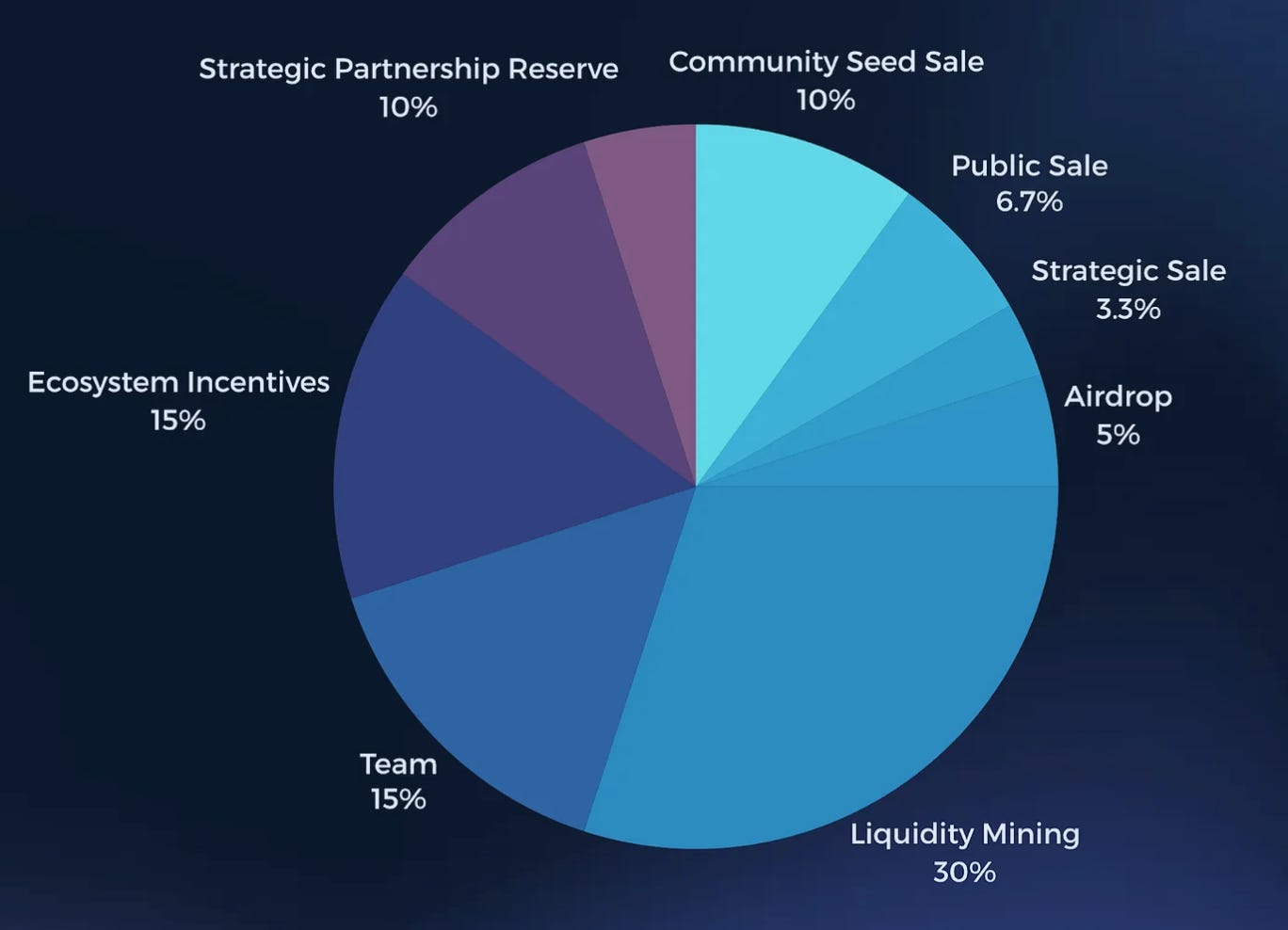
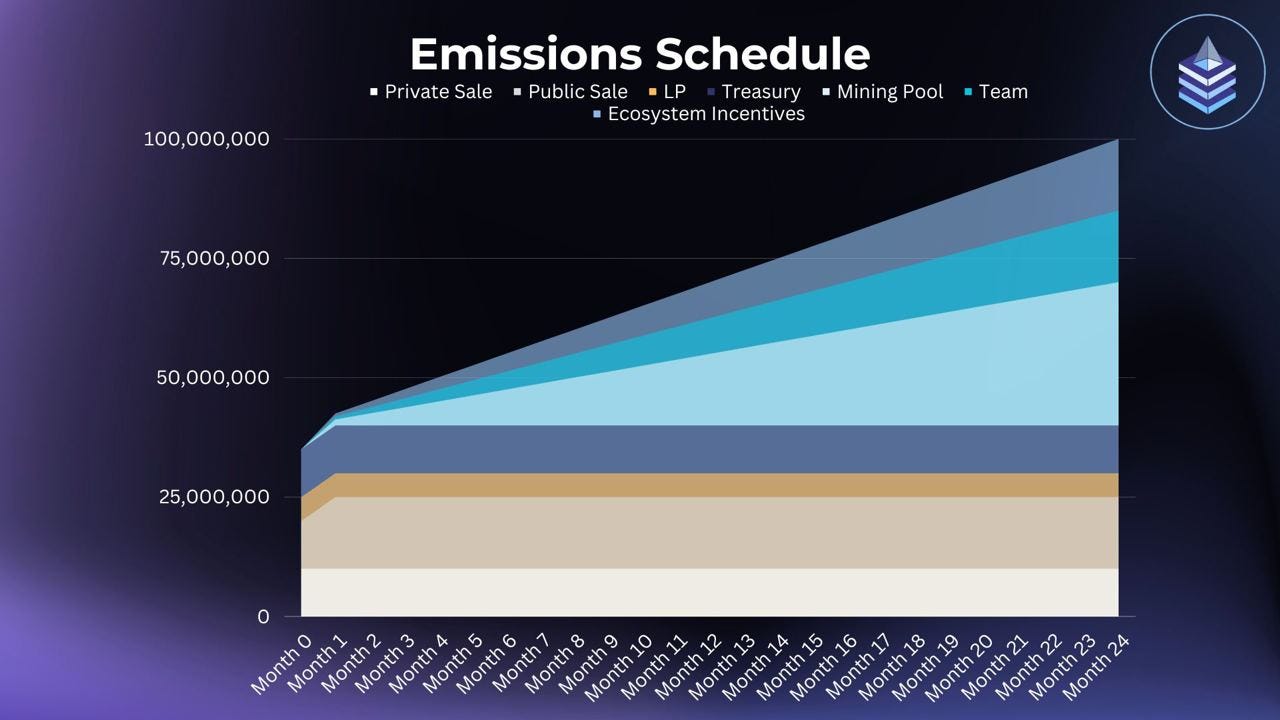
Distribution of RSTK and Vesting:
Conclusion
In 2023, we witnessed a rapid development in LSDFi, with the emergence of numerous diverse projects in the ecosystem. The introduction of EigenLayer further complicated the LSDFi landscape, bringing new ways of utilizing Liquid Staking Tokens (LST) with practical applications to ensure the economic security of new projects, along with the additional incentive for LST owners. The emergence of protocols operating on top of EigenLayer, providing users with liquid assets in exchange for LST, analogous to how LSD protocols work with ETH, was only a matter of time.
Restake Finance is at the forefront of this movement, offering users an already launched product, and they show no intention of slowing down, continuing the further development of their offering. Due to the potential for additional income beyond the existing returns from ETH, it is natural for people to restake their ETH. Restake Finance aims to facilitate this process, allowing users to seamlessly restake their ETH and capitalize on the opportunity for additional earnings.
Restake Finance links:
Website | Twitter | Discord | Documentation | Medium